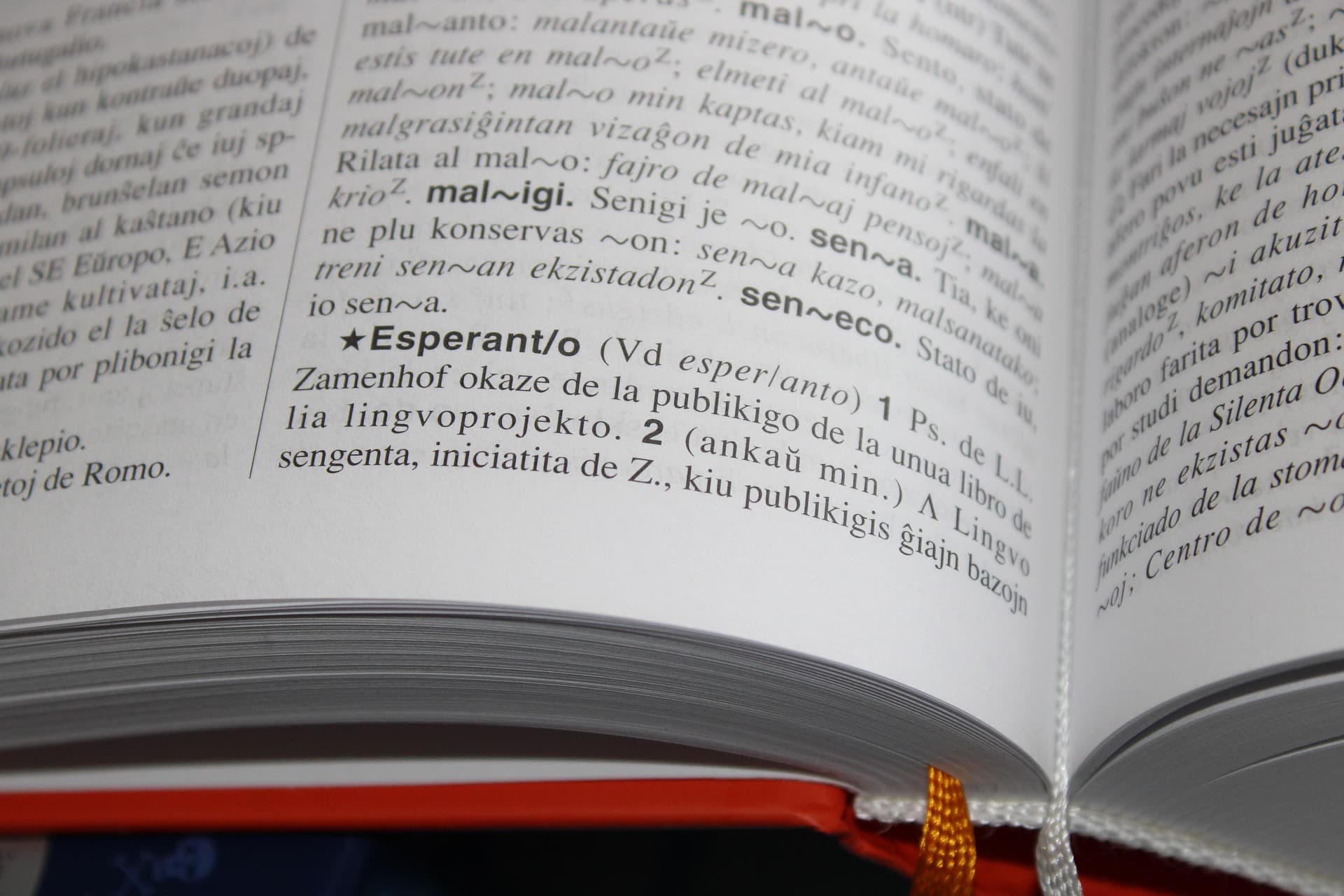
Esperanto was invented in 1887 by L.L. Zamenhof with the explicit goal of fostering international understanding. The idea was simple: a neutral, easy-to-learn language that could bridge divides. But does it actually work in real-world diplomacy? Let’s cut through the idealism and look at the facts.
Esperanto’s Diplomatic History: More Than Just a Thought Experiment
Contrary to popular belief, Esperanto has seen actual use in diplomatic contexts. For example, the Universal Esperanto Association (UEA) has consultative status with the UN and UNESCO. They’ve pushed for linguistic equality in international forums, arguing that reliance on a few dominant languages creates an unfair advantage.
Esperanto’s biggest diplomatic win, though, is probably its role in pen-pal diplomacy. During the Cold War, Esperanto speakers from opposing blocs corresponded freely, bypassing state propaganda. No, it didn’t end the Cold War, but it did create pockets of cross-border dialogue.
The Limits of Linguistic Utopianism
Esperanto’s biggest hurdle isn’t linguistic - it’s political. Governments prefer languages that give them soft power (looking at you, English and French). And let’s be honest: most diplomats already speak one of the big languages. Why add another?
- No country has adopted Esperanto as an official language, despite proposals in places like Neutral Moresnet (a tiny, now-defunct European microstate).
- The language lacks the cultural weight of natural languages. You won’t find centuries of literature or idiomatic depth.
- Esperanto’s community, while passionate, is small. Estimates range from 100,000 to 2 million speakers worldwide - nowhere near enough for critical mass.
Where Esperanto Actually Works
Forget high-level diplomacy. Esperanto’s real strength is grassroots peacebuilding. Organisations like Pasporta Servo (a hospitality network for Esperanto speakers) facilitate cross-cultural exchanges without the baggage of national languages. It’s not about treaties - it’s about people.
There’s also evidence that learning Esperanto first makes picking up other languages easier - a concept called the propædeutic effect. If you’re struggling with language learning, check out our guide on common challenges in learning Esperanto.
Propædeutic
/ˌprəʊpɪˈdjuːtɪk/“Preparatory”
The Verdict: Useful, But Not a Silver Bullet
Esperanto won’t replace English at the UN anytime soon. But dismissing it entirely misses the point. It’s a tool for people who want to communicate without linguistic hierarchy - whether that’s at a kultura renkontiĝo (cultural meetup) or in a letter to a stranger halfway across the world.
For more on constructed languages in unexpected places, see our article on Esperanto’s role in sci-fi.