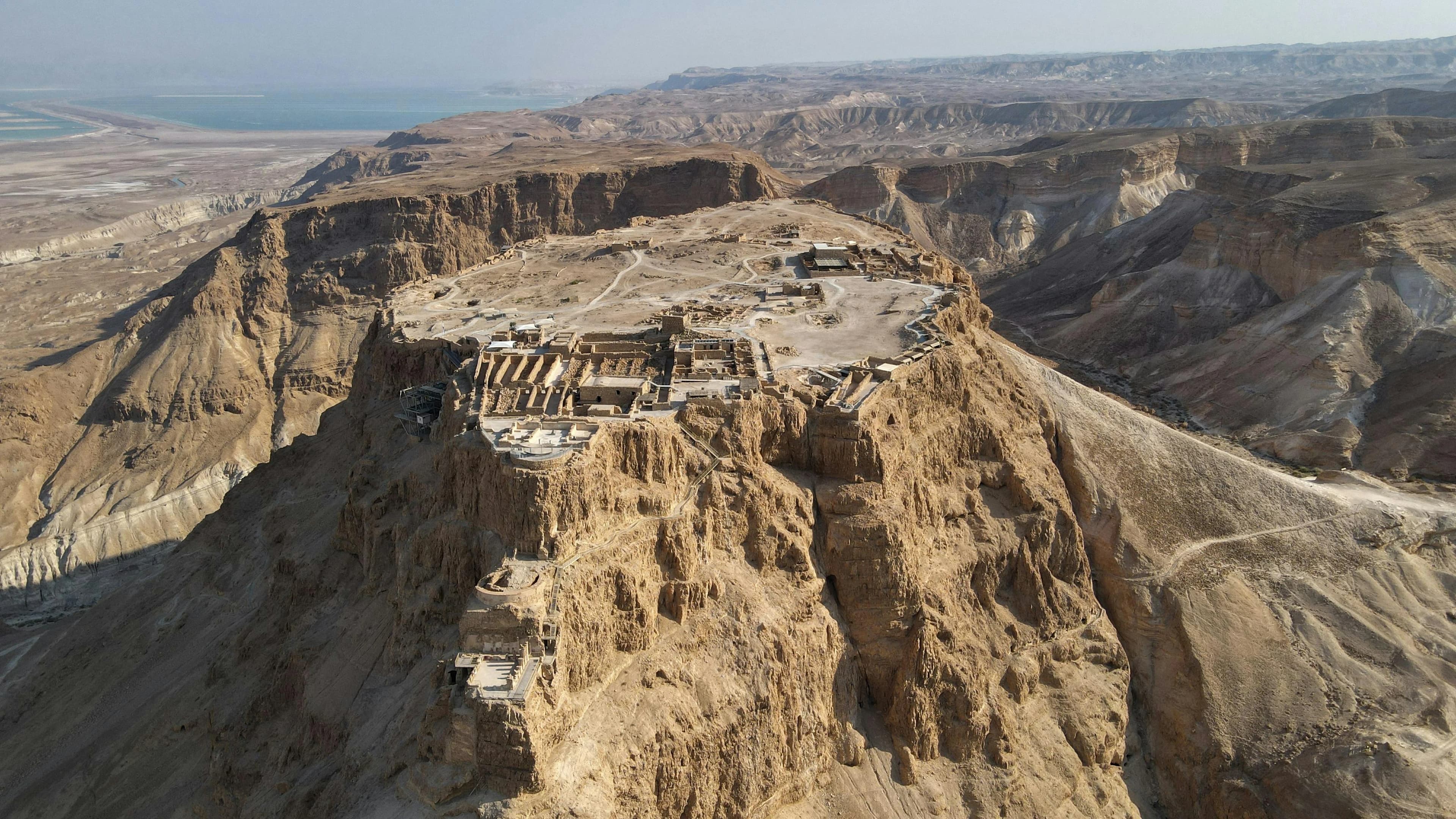
Hebrew in business settings isn’t just about vocabulary - it’s about tone, cultural nuance, and knowing when to switch between formal and casual registers. Whether you’re pitching to a Tel Aviv startup or negotiating with a Jerusalem-based firm, these phrases will help you navigate meetings with confidence.
Greetings and Introductions
- Shalom (sha-LOM) – The universal Hebrew greeting, suitable for most contexts.
- Boker tov (BO-ker TOV) – “Good morning.” Use before noon.
- Eifo atah/at oved? (EYE-fo a-TA/aht O-ved?) – “Where do you work?” (male/female). A common icebreaker.
Tip: Israelis often switch to first names quickly. If someone introduces themselves as “David” rather than “Mr. Cohen,” follow their lead.
During the Meeting
| Hebrew | Pronunciation | Use Case |
|---|---|---|
| Nechalim l’hatchil? | ne-kha-LEEM le-ha-TKHEEL? | “Shall we begin?” (Polite way to start) |
| Yesh l’cha/lekh hartsa’a? | yesh le-KHA/lekh har-TSA-a? | “Do you have a presentation?” (male/female) |
| Ani maskim/a im ze | a-NEE mas-KEEM/mas-KEEM-a eem ze | “I agree with this.” (male/female) |
Negotiation Phrases
Efshar l’hagid al ze od pa’am?
/ef-SHAR le-ha-GEED al ze od pa-AM?/“Can we discuss this again?”
A diplomatic way to revisit a contentious point without outright rejection.
Ze lo ha’mekabel alai
/ze lo ha-me-ka-BEL a-LAI/“This doesn’t work for me”
Firm but polite pushback. Israelis appreciate directness in business.
For more foundational terms, check out our guide to Hebrew for Business: Essential Terms and Phrases.
Wrapping Up
- Toda al ha’zman (TO-da al ha-zman) – “Thanks for your time.”
- Nishmor al keshir (neesh-MOR al ke-SHEER) – “Let’s stay in touch.” (Literally: “We’ll keep in contact.”)
Remember: Hebrew is a language where context is king. A phrase like “B’seder, aval…” (“Okay, but…”) can signal anything from mild hesitation to outright disagreement, depending on tone and body language.