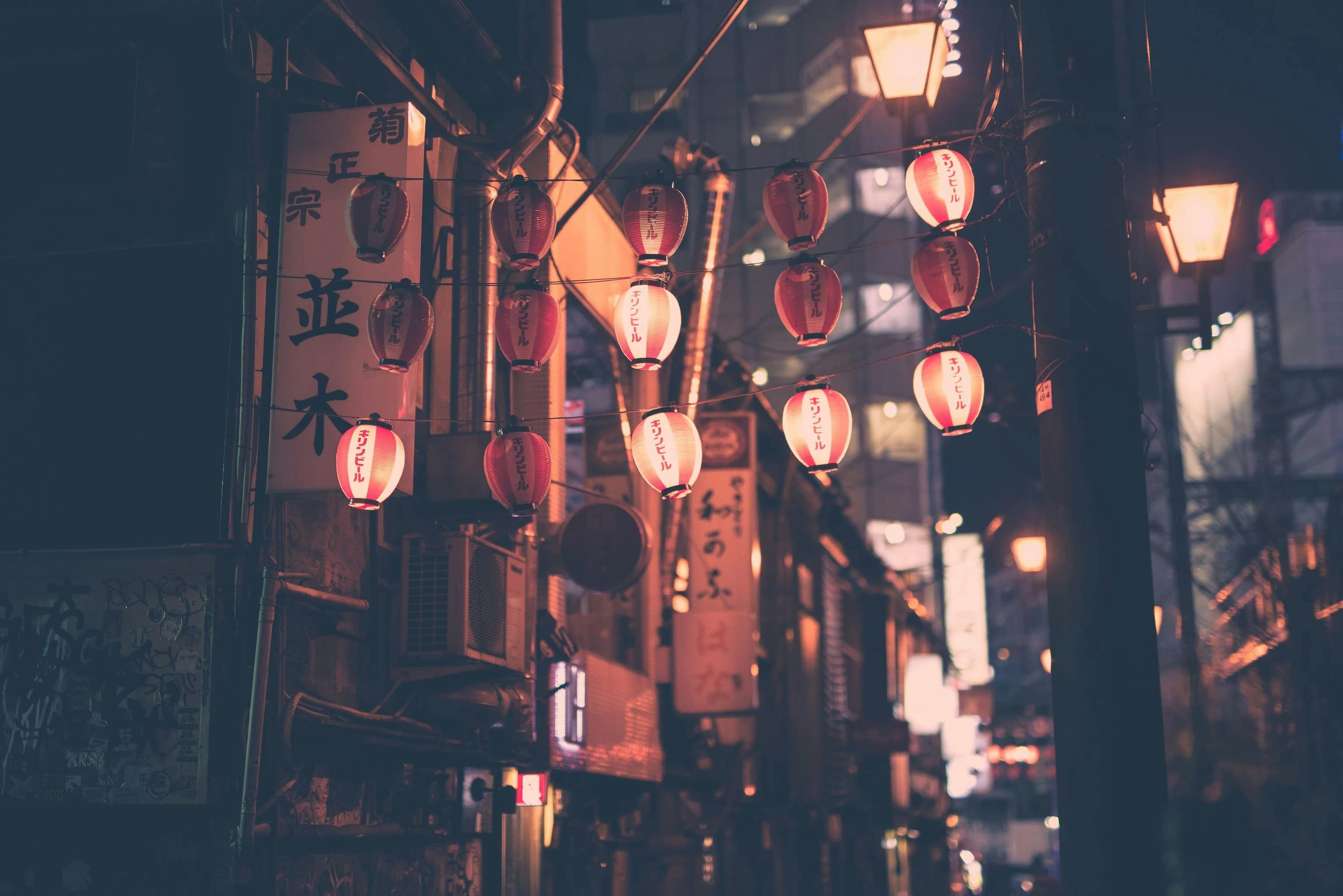
Japanese onomatopoeia doesn't just imitate sounds – it creates entire sensory experiences. While English might have 'bang' or 'splash', Japanese offers a rich tapestry of sound words that describe textures, movements, and even states of mind. This linguistic quirk makes everyday conversation unexpectedly vivid.
More than just animal sounds
Unlike European languages where onomatopoeia mainly represents noises, Japanese categorises sound words into three types:
- Giongo – actual sounds (a dog's 'wanwan' instead of 'woof')
- Gitaigo – states or conditions (fluffy things are 'fuwafuwa')
- Gijōgo – movements or actions (glaring is 'jirojiro')
Pikapika
[pʲika̠pʲika̠]“Glittering/sparkling”
Onomatopoeia in daily life
These words appear everywhere in Japanese culture:
- Manga sound effects ('doki doki' for a heartbeat)
- Food packaging ('saku saku' for crispy snacks)
- Weather reports ('zaa zaa' for heavy rain)
Why this matters for learners
Mastering common onomatopoeia helps you:
- Understand manga and anime without translations
- Sound more natural in conversation
- Grasp advertisements and product descriptions
Nikoniko
/niko niko/“Beaming smile”
How other languages compare
While Korean also has rich sound symbolism (as seen in our guide to Korean onomatopoeia), Japanese stands out for its sheer volume and everyday usage. Even simple words often have onomatopoeic roots – 'kirakira' (sparkly) comes from the sound of light reflecting off surfaces.
| Japanese | English Equivalent | Usage |
|---|---|---|
| Gacha gacha | Ratting/clunking | Old machinery, loose parts |
| Mochi mochi | Soft and chewy | Describing rice cakes or plush toys |
| Pera pera | Fluent (literally 'flapping') | Speaking a foreign language well |
These examples barely scratch the surface. Japanese has sound words for:
- The way eyes dart around ('kyorokyoro')
- Sticky humidity ('mushi mushi')
- The sound of silence ('shiin')