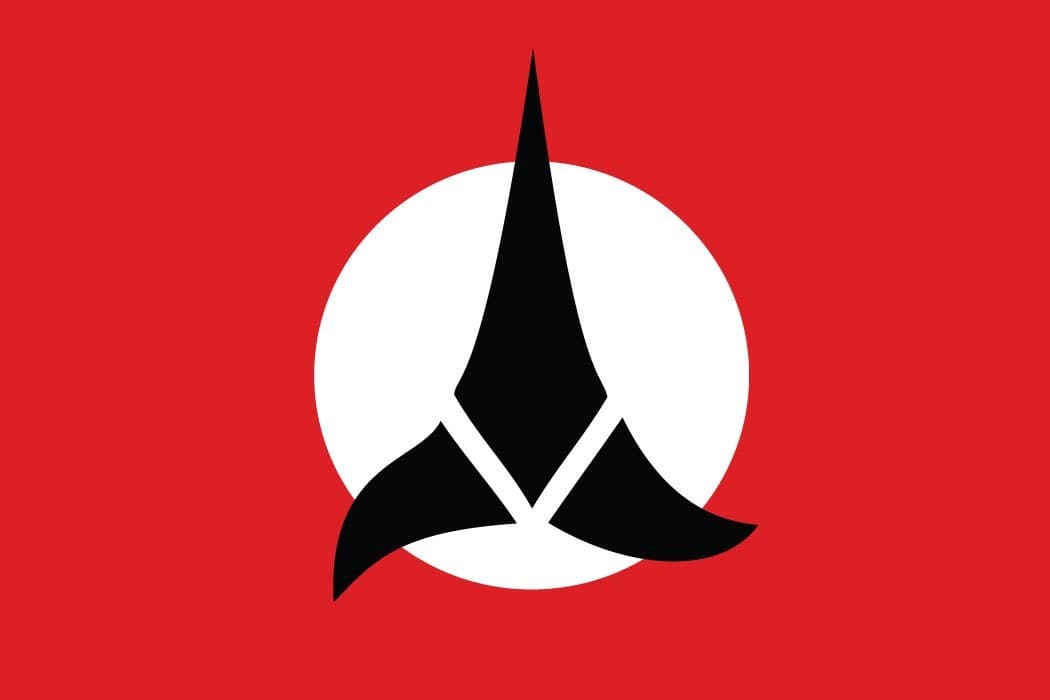
Klingons don’t greet - they declare. If you want to sound like a warrior, forget polite small talk. Every word should carry the weight of a bat’leth swing. Here’s how to do it right.
The Basics: No-Nonsense Greetings
nuqneH
/nʊq.nɛx/“What do you want?”
The closest thing Klingons have to 'hello'. It’s direct, confrontational, and sets the tone for any interaction. Use it when you’re ready for a challenge.
Qapla'
/qʰɑpʰ.lɑʔ/“Success!”
A versatile word used as a greeting, farewell, or battle cry. It implies you expect victory - or at least a good fight.
Klingon greetings aren’t about making friends. They’re about establishing dominance. If someone responds aggressively, you’re doing it right.
Advanced Warrior Greetings
Heghlu'meH QaQ jajvam
/hɛɣ.luʔ.mɛx qʰɑqʰ ʤɑʤ.vɑm/“Today is a good day to die”
The ultimate Klingon greeting for those ready to embrace glory. Use sparingly - unless you’re actually prepared to back it up.
majQa'
/mɑʤ.qʰɑʔ/“Well done”
A rare compliment in Klingon culture. If you say this, mean it. Insincere praise is worse than an insult.
For more aggressive exchanges, check out our guide on Klingon insults for epic debates.
When to Use Each Greeting
| Situation | Greeting | Effect |
|---|---|---|
| Meeting a rival | nuqneH | Challenges their presence |
| Before battle | Heghlu'meH QaQ jajvam | Boosts morale (or terrifies the weak) |
| Celebrating a victory | Qapla' | Acknowledges triumph |
Pronunciation Tips
- Klingon is guttural. If it doesn’t feel like you’re clearing your throat, you’re doing it wrong.
- The apostrophe (') is a glottal stop - a sharp cutoff, like the pause in 'uh-oh'.
- Capital letters in Klingon (e.g., 'Q') indicate sounds not found in English. Listen to native speakers if possible.
For a deeper dive into Klingon structure, see our article on Klingon grammar for warriors.
Warning: Using these greetings in public may result in confused stares - or a fight. Choose your audience wisely.