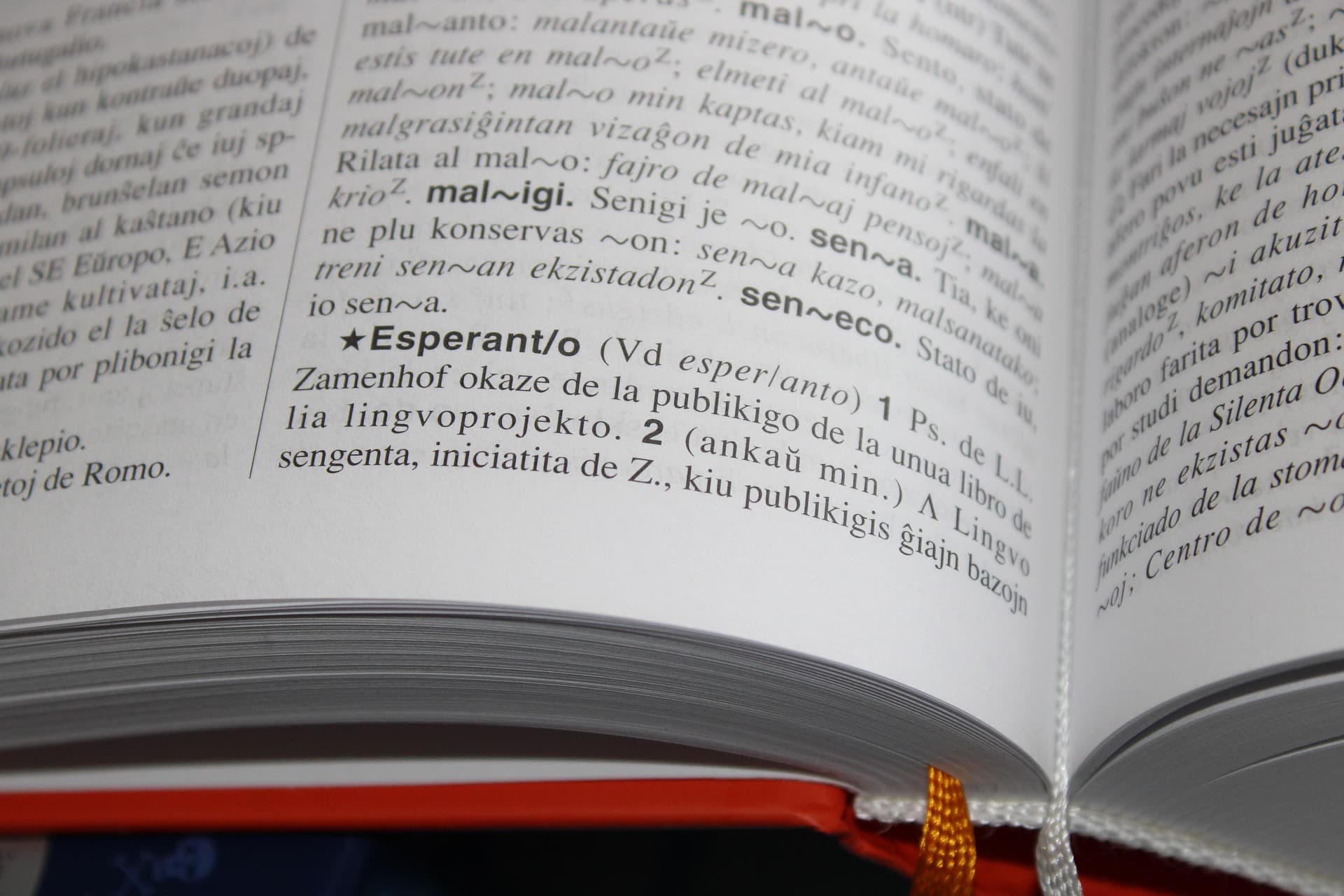
Esperanto is the ultimate 'I tried' language. It’s easy, logical, and designed for global communication. But even the simplest language has its quirks - especially when it comes to greetings. Here’s how to avoid awkwardly nodding at someone when you could just say saluton instead.
The Basics: Universal Greetings
Saluton
[saˈluto]“Hello”
The go-to greeting in Esperanto. Works in almost any situation, from meeting a friend to addressing a crowd.
Bonan matenon
/ˈbo.nan ma.ˈte.non/“Good morning”
Use this until around noon. After that, you’ll need the next one.
Bonan tagon
[ˈbonan ˈtaɡon]“Good day”
The afternoon equivalent of 'bonan matenon'. Not to be confused with 'bonan nokton', unless you’re greeting someone at 3 AM.
Casual and Friendly Greetings
Esperanto isn’t all formalities. Here’s how to sound more relaxed:
- Kiel vi fartas? (How are you?) – The classic small-talk starter.
- Ĉu vi parolas Esperanton? (Do you speak Esperanto?) – Useful if you’re not sure whether the other person is just nodding politely.
- Mi ĝojas renkonti vin (I’m happy to meet you) – A bit formal, but sweet.
Saying Goodbye (Without Awkwardness)
Ĝis la revido
[d͡ʒis la reˈvido]“Until we meet again”
The most common way to say goodbye. Sounds dramatic, but it’s standard.
Ĝis
[d͡ʒis]“See you”
The casual, shortened version. Toss this out when leaving a café or ending a chat.
Bonan nokton
[ˈbonan ˈnokton]“Good night”
Reserved for actual nighttime. Don’t use it at 5 PM unless you’re mocking British winter daylight.
Extra Tips for Natural-Sounding Esperanto
Esperanto speakers love enthusiasm. If you’re at an Esperanto event, don’t be surprised if someone greets you with a hug. It’s a thing.
For more practical phrases, check out our guide on Esperanto for travellers.
And if you’re feeling adventurous, compare these to Klingon greetings. Spoiler: Esperanto is much easier.