German Christmas markets are magical, but their vocabulary can be downright confusing. Between the steaming mugs of mysterious drinks and stalls selling things you’ve never heard of, it’s easy to feel lost. Here’s a guide to the weirdest words you’ll encounter.
The Drinks
Glühwein
/ˈɡlyːvaɪ̯n/“Mulled wine”
The king of Christmas market drinks – hot, spiced red wine, often served in a collectible mug. Don’t leave without trying it.
Feuerzangenbowle
/ˈfɔɪ̯ɐt͡saŋənˌboːlə/“Fire tong punch”
A theatrical drink where a rum-soaked sugar cone is set on fire and drips into mulled wine. More spectacle than beverage.
Kinderpunsch
/ˈkɪndɐˌpʊnʃ/“Children’s punch”
Non-alcoholic hot fruit punch for kids (or adults who’ve had enough Glühwein).
The Food
Schmalzkuchen
/ˈʃmaltsˌkuːxn̩/“Lard cakes (roughly)”
Small, fluffy doughnuts fried in lard, dusted with sugar. The name doesn’t sound appetising, but they’re irresistible.
Reibekuchen
/ˈʁaɪ̯bəˌkuːxn̩/“Potato pancakes”
Crispy fried shredded potato patties, often served with apple sauce. Called 'Kartoffelpuffer' in some regions.
Mettigel
/ˈmɛtˌiːɡl̩/“Meat hedgehog”
A terrifying (yet delicious) Christmas party dish – raw minced pork shaped like a hedgehog, with pretzel sticks for spines.
The Oddities
Räuchermann
/ˈʁɔɪ̯çɐˌman/“Smoking man”
A wooden figurine that burns incense cones inside its hollow body, filling your home with festive smoke. Quintessentially German.
Schneeballen
/ˈʃneːˌbalən/“Snowballs”
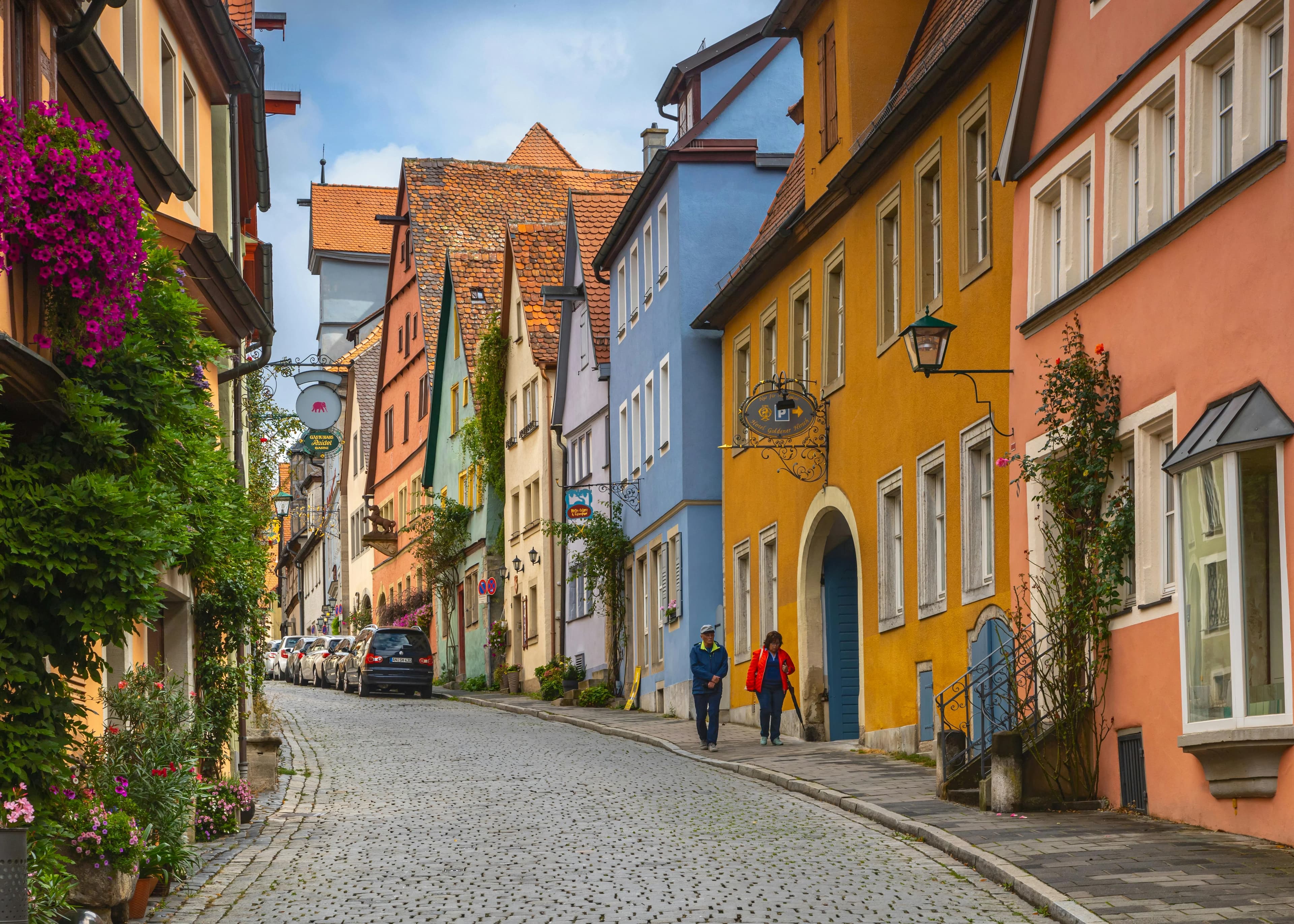
Not actual snow, but deep-fried pastry strips compressed into a ball and coated in sugar or chocolate. A Rothenburg ob der Tauber speciality.
Stollen
/ˈʃtɔlən/“Christmas fruitcake”
A dense, marzipan-filled fruitcake dusted with powdered sugar. The Dresden version ('Dresdner Stollen') is famous worldwide.
The Traditions
Christkindlsmarkt
/ˈkʁɪstkɪntl̩sˌmaʁkt/“Christ Child Market”
The Bavarian name for Christmas markets, referencing the 'Christkind' (Christ Child) who brings gifts instead of Santa in some regions.
Pflaumentoffel
/ˈpflaʊ̯mənˌtɔfl̩/“Prune man”
A bizarre Christmas decoration made from dried plums, resembling a chimney sweep. Common in Saxony.
Schutzengel
/ˈʃʊtsˌɛŋəl/“Guardian angel”
Ornate tin angels hung on Christmas trees. The Erzgebirge region produces particularly beautiful ones.
Pro tip: If you’re visiting multiple markets, check out our guide on the quirkiness of Austrian German dialects – you’ll notice subtle differences in vocabulary between German and Austrian stalls!
The Practical Bits
Pfand
/pfant/“Deposit”
The deposit you pay on Glühwein mugs (usually €2-4). Return the mug to get it back, or keep it as a souvenir.
Ständchen
/ʃtant/“Little stall”
The charming wooden huts that make up the market. Each one specialises in something different.
Lebkuchenherz
/ˈleːpkuːxn̩ˌhɛʁts/“Gingerbread heart”
Iced gingerbread hearts with romantic messages, hung around necks as edible jewellery. Mostly bought by tourists.
Armed with these words, you’re ready to navigate any German Christmas market without confusion – or at least know what you’re eating when you bite into a 'meat hedgehog'.