Most tourists stick to Prague or Vienna. Big mistake. The real Central Europe starts where the English-speaking crowds end. Slovak isn't just some Slavic dialect - it's the difference between being a clueless outsider and someone who actually gets how this region works.
1. The Scam Shield
Taxi drivers in Bratislava see tourists as walking ATMs. Say "Koľko to stojí?" before getting in, and watch the price magically drop 30%. Same logic applies to markets, private guides, and those sketchy exchange offices near the train station.
Koľko to stojí?
/ˈkɔʎkɔ tɔ ˈstɔjiː/“How much does it cost?”
2. The Hidden Trails
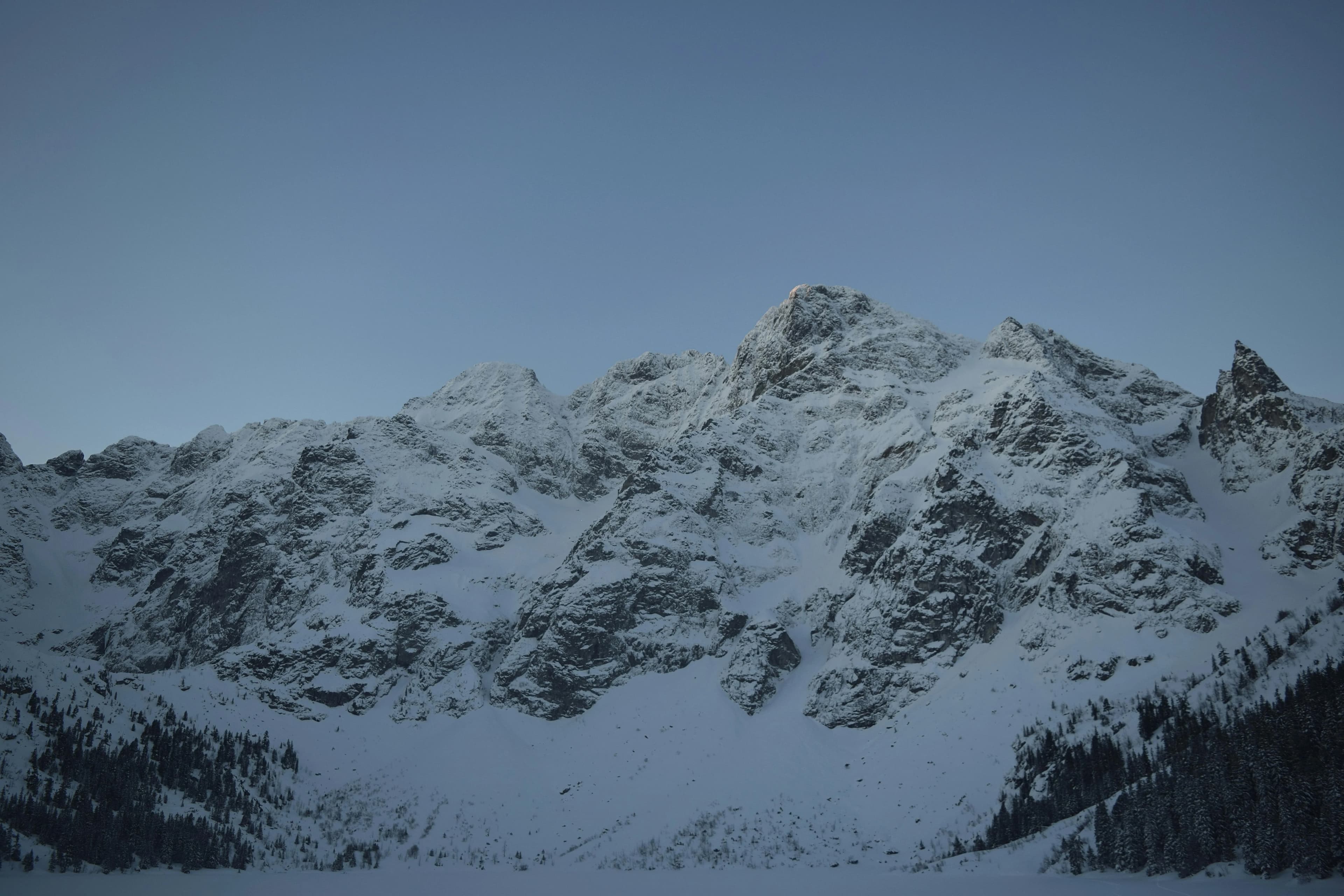
All the hiking signs in the High Tatras are in Slovak. The good trails - the ones without Instagram influencers - aren't on Google Maps. Learn to read Vstup zakázaný (no entry) unless you fancy explaining to mountain rescue why you ignored it.
- Slovak mountain huts serve better food than any restaurant in the valleys, but the menus aren't translated.
- Locals will actually give you directions if you ask in Slovak. Try it in English and you'll get a shrug.
3. The Cultural Backdoor
Slovak opens up Czech, Polish, and even bits of Ukrainian. But more importantly, it gets you into the actual culture. Ever been to a krčma where the owner brings out homemade slivovica for regulars? That doesn't happen if you're just another tourist.
Krčma
/ˈkr̩tʃma/“Tavern”
4. The Job Market Hack
Bratislava's full of international companies paying Western salaries with Central European costs. But the good jobs? They require Slovak. Not because it's strictly necessary, but because HR filters out anyone who didn't bother learning.
| Job | English-only Salary | Slovak Speaker Salary |
|---|---|---|
| IT Support | €1,800 | €2,500 |
| Sales | €2,000 | €3,200 |
Yes, those numbers are real. The premium comes from dealing with local clients and bureaucracy where Google Translate fails spectacularly.
5. The Neighbourhood Advantage
Slovakia sits at the crossroads of five countries. Learn Slovak properly, and you'll start understanding:
- Czech (80% mutual intelligibility)
- Polish (60%, if you squint)
- Ukrainian/Russian cognates (especially in the east)
- Hungarian loanwords (because history was messy)
This isn't some theoretical benefit. I've crossed borders where border guards switched to Slovak mid-conversation because it was easier than dealing with my terrible Polish.